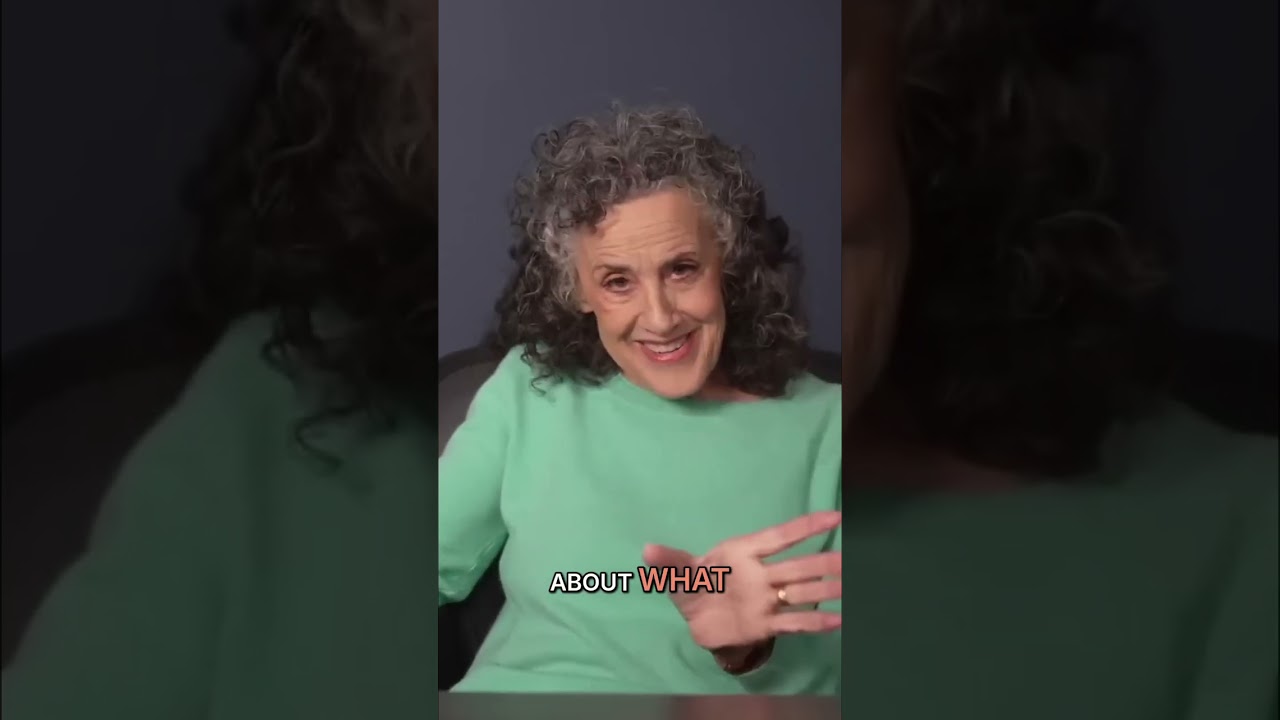
What Men Need to Understand About Love | Dr. John Gottman Answers Your Questions
About this video · Original description
What do men actually need to understand about love, communication, conflict, and relationships? Dr. John Gottman answers real relationship questions about defensiveness, therapy, emotional safety, healing from the past, commitment, listening, breakups, and what decades of relationship research have taught him about lasting love. In this episode of Accepting Influence, Dr. Gottman gets practical about some of the hardest parts of relationships: how to listen when you feel attacked, how to communicate what you need without blaming your partner, how past experiences can show up in present-day conflict, and why trust and commitment matter. And after more than 50 years of studying couples, his final advice to men about love may be the simplest: be yourself. Topics include: • How to talk to a partner about therapy • Why men are seeking relationship advice • How to stop getting defensive • Whether getting back together after a breakup can work • Healing triggers from past relationships and childhood • What to do when communication feels emotionally unsafe • How to become a better listener • Freedom, trust, and commitment in relationships • What men need to understand about love #JohnGottman #GottmanMethod #Relationships #RelationshipAdvice #MarriageAdvice #MensMentalHealth #Communication #HealthyRelationships #Love #AcceptingInfluence Timestamps 00:00 How do I convince my spouse to go to therapy? 03:00 Are men actually asking for relationship advice? 05:00 How do I stop getting defensive? 09:00 When is it worth getting back together after a breakup? 10:00 How do you heal from the past constructively? 15:00 How do I communicate when my partner feels emotionally unsafe? 17:00 How do I show up better for a sensitive partner? 22:00 How much freedom should you have in a relationship? 24:00 What do men most need to understand about love? **Disclaimer:** The content on this channel is for informational purposes only and is not a substitute for professional mental health care. Watching these videos does not establish a therapist-client relationship. If you're in crisis, seek help from a licensed professional or emergency services.